Schedule a Free Inspection & Quote!
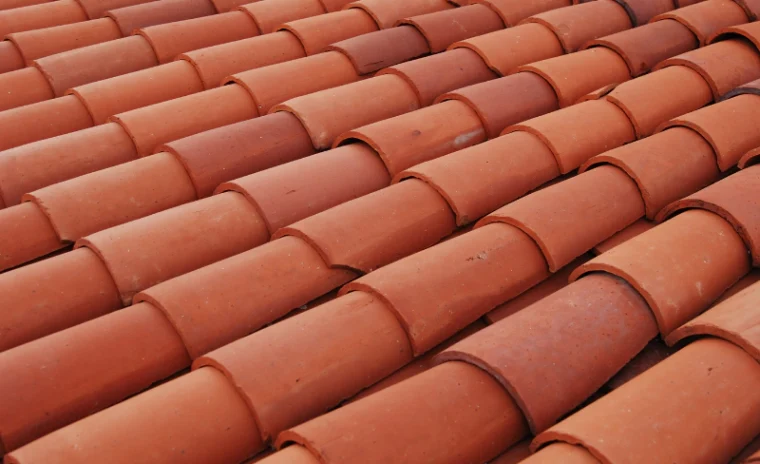
When homeowners start researching long-lasting roofing materials, tiling a roof with clay tiles often rises to the top of the list. Clay tile roofs have been used for centuries because they offer exceptional durability, timeless beauty, and reliable protection against the elements. Whether you own a traditional Spanish-style home or simply want a roofing system that stands out from standard shingles, clay tiles can be an excellent investment.
At Veritas Roofing, LLC, we regularly help homeowners understand the advantages of premium roofing materials and determine whether a clay tile roof is the right choice for their property. In this guide, we will explain everything you need to know about tiling a roof with clay tiles, including installation methods, benefits, maintenance requirements, repair considerations, and how long these roofs typically last.
What Is Clay Tile Roofing?
Clay tile roofing is a roofing system made from natural clay that is molded into tiles and fired at high temperatures. This process creates a strong, durable roofing material capable of withstanding decades of exposure to sun, wind, and rain.
Clay tiles come in several styles, including:
- Spanish barrel tiles
- Mission tiles
- Flat profile tiles
- Interlocking clay tiles
- Mediterranean-style tiles
These roofing systems are especially popular in warm climates because of their ability to resist heat and provide natural insulation.
Unlike asphalt shingles that may need replacement after a few decades, clay tile roofs are designed for exceptional longevity when properly installed and maintained.
Why Homeowners Choose Tiling a Roof with Clay Tiles
Many homeowners choose tiling a roof with clay tiles because they want a roofing system that offers both beauty and performance.
Some of the biggest benefits include:
Outstanding Durability
Clay tiles are highly resistant to:
- Harsh sunlight
- Extreme temperatures
- Wind damage
- Rot
- Insect activity
Their dense composition allows them to maintain their integrity for many years with proper care.
Attractive Appearance
One of the main reasons homeowners invest in clay tile roofing is its distinctive appearance. The warm colors and textured profiles create curb appeal that few roofing materials can match.
Energy Efficiency
Clay tiles naturally allow air circulation beneath the roof surface. This can help reduce heat transfer into the home, which may improve indoor comfort during hot Texas summers.
Fire Resistance
Because clay is a non-combustible material, clay tile roofs provide excellent fire resistance compared to many other roofing products.
Increased Property Value
A professionally installed clay tile roof can increase the overall value of a home due to its premium appearance and long service life.
Understanding the Process of Tiling a Roof with Clay Tiles
Many homeowners are surprised to learn that tiling a roof with clay tiles involves much more than simply placing tiles on the roof.
A proper installation requires careful planning, structural evaluation, and attention to detail.
Step 1: Roof Inspection and Evaluation
Before installation begins, a roofing contractor evaluates:
- Existing roof condition
- Roof decking
- Structural support system
- Ventilation requirements
- Roof pitch
Because clay tiles are heavier than many other roofing materials, the structure must be capable of supporting the added weight.
Step 2: Removing Existing Roofing Materials
In most cases, old roofing materials are removed down to the decking.
This allows the contractor to:
- Identify hidden damage
- Replace deteriorated wood
- Ensure a solid foundation
- Verify structural integrity
At Veritas Roofing, we believe every premium roof should start with a strong foundation.
Step 3: Installing Underlayment
A high-quality underlayment system is one of the most important parts of a clay tile roof installation.
Modern synthetic underlayments offer superior moisture protection compared to traditional felt paper.
The underlayment acts as a secondary barrier against water intrusion and helps protect the roof structure beneath the tiles.
Step 4: Installing Flashing Components
Flashing is installed around:
- Chimneys
- Skylights
- Roof valleys
- Vents
- Roof transitions
Proper flashing installation helps direct water away from vulnerable areas and prevents leaks.
Step 5: Tile Installation
Once the roof preparation is complete, installers begin laying the clay tiles according to manufacturer specifications.
Tiles are secured using approved fastening methods designed to withstand:
- High winds
- Heavy rain
- Thermal movement
The installation pattern depends on the specific tile style selected.
Step 6: Final Inspection
After installation is complete, the roofing contractor performs a final inspection to verify:
- Tile alignment
- Fastener placement
- Flashing integrity
- Ventilation performance
- Overall workmanship
A professional inspection ensures the roof is ready to deliver long-term performance.
How Long Do Clay Tile Roofs Last?
One of the most common questions homeowners ask is, “how long do clay tile roofs last?”
The answer is impressive.
A properly installed clay tile roof can often last:
- 50 years or more
- 75 years in many cases
- 100 years or longer under ideal conditions
The actual lifespan depends on factors such as:
- Installation quality
- Climate conditions
- Maintenance practices
- Roof design
- Material quality
While the underlayment may eventually require replacement, the clay tiles themselves often remain in excellent condition for decades.
This longevity makes clay tile roofing one of the most durable roofing systems available today.
Is Clay Tile Roofing Right for Every Home?
Although clay tiles offer many advantages, they may not be the ideal choice for every property.
Structural Considerations
Clay tiles are significantly heavier than asphalt shingles.
Before proceeding with tiling a roof with clay tiles, your roofing contractor should verify that the home’s structure can safely support the load.
Architectural Style
Clay tiles work especially well with:
- Mediterranean homes
- Spanish-style homes
- Southwestern architecture
- Luxury custom homes
However, modern tile profiles can complement many different home designs.
Budget Considerations
Clay tile roofing generally requires a larger upfront investment than asphalt shingles.
However, many homeowners find that the extended lifespan and reduced replacement frequency provide excellent long-term value.
Clay Tile Roof Maintenance Tips
Like any roofing system, clay tiles benefit from regular care.
Proper clay tile roof maintenance can help maximize the roof’s lifespan and prevent costly repairs.
Schedule Regular Inspections
Professional inspections should be performed periodically to identify:
- Cracked tiles
- Loose tiles
- Damaged flashing
- Underlayment concerns
Early detection often prevents larger issues from developing.
Keep Gutters Clean
Clogged gutters can cause water backup and drainage problems.
Regular gutter cleaning helps protect the entire roofing system.
Remove Debris
Leaves, branches, and other debris can trap moisture on the roof surface.
Removing debris helps preserve both the tiles and underlying materials.
Avoid Walking on Tiles
Clay tiles are durable against weather but can crack under concentrated foot traffic.
Always allow trained roofing professionals to access the roof when inspections or repairs are needed.
Common Clay Tile Roof Repair Issues
Even durable roofing systems occasionally require service.
Understanding common clay tile roof repair issues can help homeowners recognize problems before they become severe.
Broken Tiles
Impact from falling branches or severe weather can crack individual tiles.
Fortunately, damaged tiles can often be replaced without replacing the entire roof.
Flashing Problems
Over time, flashing components may deteriorate or separate.
Since flashing plays a critical role in preventing leaks, prompt repairs are important.
Underlayment Aging
While clay tiles may last many decades, the underlayment beneath them has a shorter lifespan.
Replacing underlayment can help extend the overall life of the roof system.
Storm Damage
Strong storms may loosen tiles or damage roof components.
Following severe weather, homeowners should schedule a professional roof inspection to identify hidden issues.
For homeowners dealing with storm-related roofing concerns, our Residential Roof Repair and Storm Damage Restoration Services can help identify and address damage quickly.
Comparing Clay Tile Roofing to Other Roofing Materials
Understanding how clay tiles compare to other roofing systems can help homeowners make informed decisions.
Clay Tiles vs Asphalt Shingles
Asphalt shingles:
- Lower upfront cost
- Easier installation
- Shorter lifespan
Clay tiles:
- Longer lifespan
- Premium appearance
- Greater durability
Homeowners interested in traditional shingle systems can learn more about Asphalt Shingle Roof Installation options.
Clay Tiles vs Metal Roofing
Metal roofing:
- Lightweight
- Energy efficient
- Modern appearance
Clay tile roofing:
- Distinct architectural style
- Excellent thermal properties
- Long-term durability
You may also explore Standing Seam Metal Roofing if you’re considering premium roofing alternatives.
Clay Tiles vs Synthetic Shingles
Synthetic roofing products are designed to mimic natural materials while reducing weight.
Clay tiles provide authentic beauty and proven longevity, while synthetic materials offer flexibility and impact resistance.
Learn more about Synthetic Shingles for another durable roofing solution.
What to Expect During a Professional Clay Tile Roof Installation
A professional clay tile roof installation involves much more than material placement.
Homeowners should expect:
Detailed Planning
The roofing contractor evaluates every aspect of the project before work begins.
Property Protection
Professional crews protect:
- Landscaping
- Windows
- Outdoor furniture
- Driveways
This minimizes disruption and helps prevent accidental damage.
Quality Materials
Premium installations typically include:
- Synthetic underlayment
- High-quality flashing
- Manufacturer-approved fasteners
- Proper ventilation components
Thorough Cleanup
A reputable roofing contractor leaves the property clean after installation.
This includes removing debris and conducting a final site inspection.
Why Professional Installation Matters
Some homeowners focus primarily on roofing materials, but installation quality is equally important.
Even the highest-quality clay tiles can fail if improperly installed.
Professional installers understand:
- Structural requirements
- Flashing details
- Ventilation design
- Weatherproofing techniques
- Manufacturer specifications
Proper installation helps maximize the lifespan and performance of the roofing system.
Working with a licensed and insured roofing contractor reduces the risk of costly mistakes and helps protect your investment.
Signs It May Be Time to Upgrade to Clay Tile Roofing
You may want to consider tiling a roof with clay tiles if:
- Your current roof is nearing the end of its lifespan
- You want a longer-lasting roofing system
- You are upgrading a high-value home
- You prefer Mediterranean or Spanish architecture
- You want improved curb appeal
- You want a roofing material with exceptional durability
A professional roof inspection can help determine whether clay tile roofing is the right fit for your home.
The Long-Term Value of Clay Tile Roofing
While clay tile roofing often costs more initially than standard roofing materials, many homeowners view it as a long-term investment.
Benefits include:
- Fewer roof replacements
- Excellent durability
- Enhanced curb appeal
- Potential increase in property value
- Strong weather resistance
- Long service life
When properly installed and maintained, clay tile roofs can provide decades of dependable performance.
Conclusion
Tiling a roof with clay tiles remains one of the most durable and visually appealing roofing upgrades available to homeowners. From exceptional longevity and energy efficiency to timeless architectural beauty, clay tile roofing offers advantages that few roofing systems can match. Understanding the installation process, maintenance requirements, repair considerations, and answers to questions like how long do clay tile roofs last helps homeowners make informed decisions about their roofing investment. With proper clay tile roof installation, regular clay tile roof maintenance, and timely clay tile roof repair, a clay tile roof can protect a home for generations.
At Veritas Roofing, LLC, we provide professional clay tile roofing services backed by our commitment to “Truth in Roofing.” Since 2018, we have helped homeowners and businesses throughout Fort Worth, TX, College Station, TX, and Oklahoma City, OK make confident roofing decisions. We are fully licensed and insured, offer free inspections and quotes, provide free emergency roof tarping, financing options, and back our roofing installations with a lifetime warranty. Our team averages more than 15 years of roofing experience, and we focus on honest recommendations, quality workmanship, and treating every property with care. If you’re considering a clay tile roof or need guidance on your roofing options, Veritas Roofing is ready to help you know the truth about your roof.