Schedule a Free Inspection & Quote!
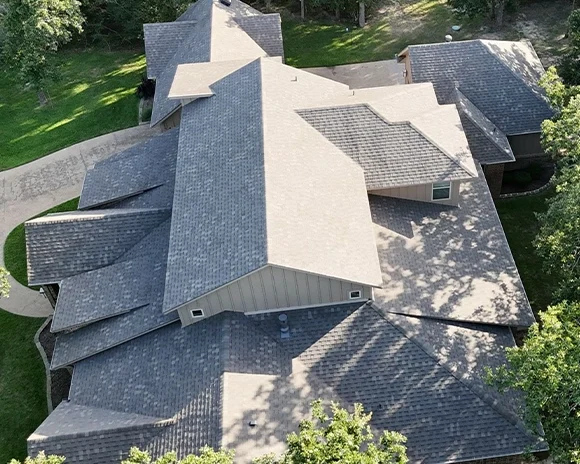
Choosing the right roofing material is one of the most important decisions a homeowner can make. Your roof protects your home from the elements, impacts energy efficiency, and greatly affects curb appeal. But with so many options available, how do you know which is the best fit? In this guide, we break down different types of roofing materials, their lifespans, costs, maintenance needs, and how they pair with siding materials for a complete exterior solution.
Here’s a listicle to help you navigate the choices and make an informed decision:
1. Asphalt Shingles: The Popular Choice
Overview: Asphalt shingles are the most common roofing material in the U.S., thanks to their affordability and ease of installation. They are available in a variety of colors and styles, making them versatile for many home designs.
Lifespan: 20 to 30 years for standard shingles, up to 50 years for architectural shingles.
Pros:
- Cost-effective
- Easy to install and repair
- Variety of colors and styles
Cons:
- Shorter lifespan compared to metal or tile
- Prone to algae growth in humid climates
- Can be damaged by high winds
Best for: Homeowners on a budget who want a balance of style and practicality.
2. Metal Roofing: Durable and Energy-Efficient
Overview: Metal roofing comes in panels or shingles made from steel, aluminum, or copper. It’s growing in popularity due to its longevity and energy efficiency.
Lifespan: 40 to 70 years, depending on the metal type.
Pros:
- Extremely durable and resistant to extreme weather
- Reflects sunlight, reducing cooling costs
- Low maintenance and recyclable
Cons:
- Higher upfront cost than asphalt
- Can be noisy during rain or hail
- Requires professional installation
Best for: Homeowners seeking a long-term investment and energy savings, especially in areas prone to severe weather.
3. Clay and Concrete Tiles: Classic and Long-Lasting
Overview: Clay and concrete tiles provide a timeless, Mediterranean-inspired look. They are heavy but offer excellent durability and fire resistance.
Lifespan: 50 to 100 years or more.
Pros:
- Extremely long-lasting
- Fire and insect resistant
- Wide range of colors and shapes
Cons:
- Very heavy, may require roof reinforcement
- Expensive to purchase and install
- Fragile if walked on improperly
Best for: Homeowners who want a luxury appearance and a roof that will last multiple generations.
4. Slate Roofing: Elegant and Ultra-Durable
Overview: Slate is a natural stone material known for its beauty and remarkable lifespan. Each slate roof has a unique appearance due to the natural variations in stone.
Lifespan: 75 to 200 years.
Pros:
- Longest lasting roof material available
- Highly resistant to fire and rot
- Distinctive aesthetic appeal
Cons:
- Very heavy, requires structural support
- High cost for material and installation
- Limited availability of skilled installers
Best for: Homeowners focused on aesthetics, durability, and long-term investment.
5. Wood Shingles and Shakes: Rustic Charm
Overview: Wood shingles and shakes provide a natural, rustic look that complements traditional and cottage-style homes. Cedar is the most common type due to its durability and resistance to rot.
Lifespan: 25 to 40 years, depending on maintenance and climate.
Pros:
- Natural and attractive appearance
- Can be treated for fire and insect resistance
- Blends well with wood siding materials
Cons:
- Requires regular maintenance (cleaning and sealing)
- Less fire-resistant unless treated
- Can be expensive compared to asphalt
Best for: Homeowners looking for a classic, natural look with proper upkeep.
6. Synthetic Roofing Materials: Versatile and Low-Maintenance
Overview: Synthetic roofing materials, including rubber, plastic, and composite shingles, mimic natural materials like slate or wood.
Lifespan: 30 to 50 years.
Pros:
- Lightweight and easier to install than natural materials
- Often designed to be resistant to impact, rot, and insects
- Can mimic high-end materials at lower cost
Cons:
- Less proven long-term than traditional materials
- Quality varies depending on brand
- Can fade over time in direct sunlight
Best for: Homeowners wanting the look of premium roofing without the associated weight or cost.
7. Considering Cost, Climate, and Maintenance
When choosing a roofing material, don’t just look at aesthetics, consider:
- Cost vs. lifespan: Asphalt shingles are cheaper upfront but may need replacement sooner than metal, tile, or slate.
- Climate suitability: Metal performs well in snowy areas; tiles are better for hot, dry climates.
- Maintenance requirements: Wood and asphalt need more upkeep than metal or slate.
These factors can dramatically affect the total cost of ownership over the life of your roof.
8. Matching Roofing with Siding Materials
Your roof doesn’t exist in isolation. Choosing complementary siding materials can enhance both beauty and performance:
- Vinyl siding: Works well with asphalt or metal roofing for a clean, low-maintenance exterior.
- Wood siding: Pairs nicely with wood shingles for a cohesive rustic look.
- Stucco: Ideal for clay or concrete tiles, creating a Mediterranean feel.
- Stone veneer: Complements slate or high-end composite roofing for a luxury appearance.
A coordinated approach ensures your home looks visually appealing while maximizing durability and weather resistance.
9. Tips for Making the Right Choice
- Assess your budget: Factor in both material cost and long-term maintenance.
- Check local building codes: Some areas have restrictions on roofing materials due to fire or wind hazards.
- Think long-term: A higher initial investment in a durable material often pays off in fewer repairs and replacements.
- Work with professionals: Experienced roofing contractors can guide you through options based on your climate, home style, and desired lifespan.
Conclusion
Understanding how to choose the right roofing material requires balancing aesthetics, durability, cost, and maintenance. Whether you select the practical affordability of asphalt shingles, the longevity of metal or slate, or the luxury of tile, informed decisions ensure your roof protects your home while enhancing curb appeal. Don’t forget to consider siding materials for a harmonious exterior design that stands the test of time.
Choosing wisely today can save you thousands in repairs tomorrow while ensuring your home remains safe, beautiful, and energy-efficient for decades.